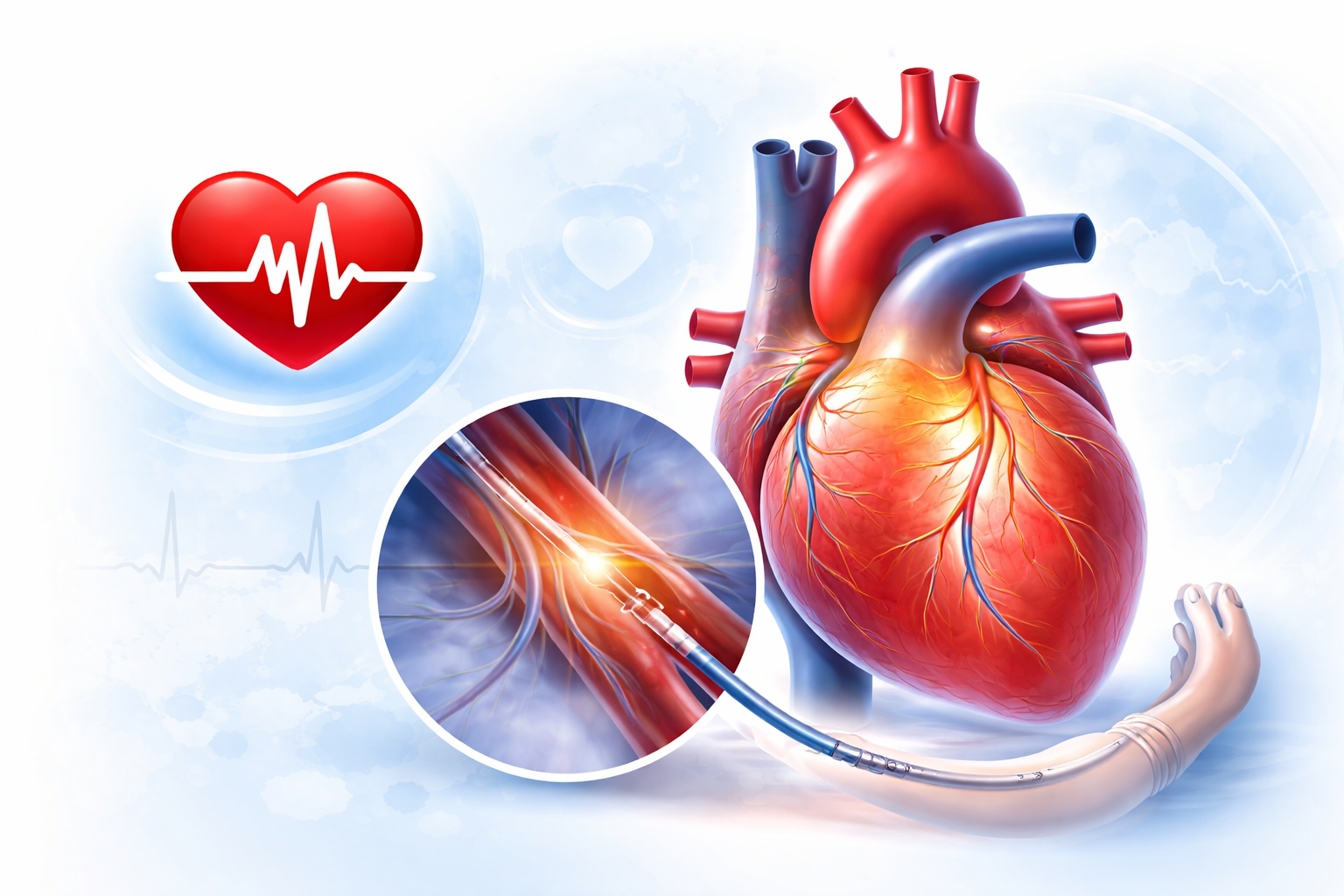
A coronary stent helps keep a narrowed artery open, but it does not remove the underlying risk of coronary artery disease. Eating a heart-healthy diet can support your overall treatment plan and help manage cholesterol, blood pressure, blood sugar, and weight. Your personal needs may vary, so follow advice from your cardiologist or a registered dietitian.
Why Diet Matters After Stenting
Stenting treats a specific narrowing in a heart artery. Long-term care also focuses on reducing the chance of further artery disease and future heart problems. A balanced eating pattern is one part of that care, alongside taking prescribed medicines, attending follow-up appointments, and making other lifestyle changes.
Choose More Vegetables and Fruits
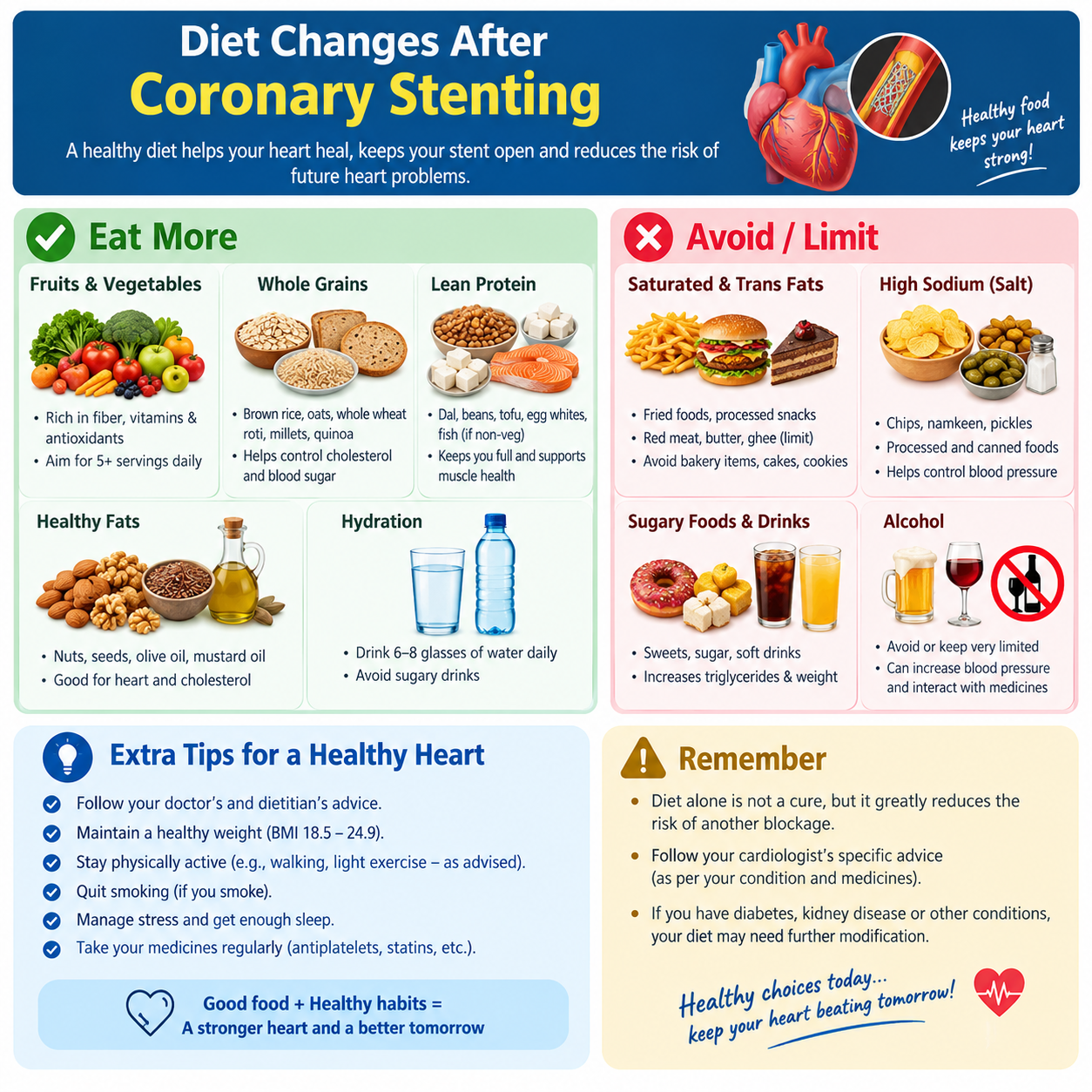
Include a variety of vegetables and fruits in your meals. Fresh, frozen, or no-added-salt canned options can all be useful. Whole fruits are generally a better everyday choice than juice because they provide fiber.
- Add vegetables to meals, soups, and sandwiches.
- Choose fruit as a snack or dessert.
- Vary colors and types to get a range of nutrients.
Choose Whole Grains and High-Fiber Foods
Choose whole-grain foods more often than refined grains. Oats, barley, brown rice, whole-wheat bread, beans, lentils, and other legumes provide fiber and can make meals more satisfying.
Choose Heart-Healthy Sources of Protein
Include a mix of protein sources, with more plant-based options where practical. Beans, lentils, peas, nuts, seeds, fish, and lean, unprocessed poultry can fit into a heart-healthy eating pattern. If you eat meat, limit processed meats such as bacon, sausages, and deli meats.
Replace Less-Healthy Fats
Use unsaturated fats in place of fats high in saturated fat. For example, choose liquid plant oils, nuts, seeds, or avocado more often than butter, ghee, cream, and fatty or processed meats. Make changes that suit your health needs and usual cuisine.
Limit Salt and High-Sodium Foods
Too much sodium can make blood pressure harder to manage. Reduce salt during cooking and at the table, and check labels on packaged foods. Restaurant meals, pickles, salty snacks, instant foods, sauces, and processed meats can contain a lot of sodium.
- Flavor food with herbs, spices, lemon, garlic, or vinegar.
- Compare labels and choose lower-sodium options when available.
- If you have been advised to restrict sodium or fluids, follow your clinician’s specific instructions.
Cut Back on Added Sugars and Highly Processed Foods
Limit sugary drinks, sweets, and foods with substantial added sugar. Choose water or unsweetened drinks more often. Build meals mostly from minimally processed foods, and keep highly processed packaged foods as occasional choices.
Practical Meal Ideas
A heart-healthy approach can work with many cuisines and budgets. For example, you might include:
- Breakfast: Oats with fruit and unsalted nuts.
- Lunch: Lentils or beans with vegetables and a whole grain.
- Dinner: Baked fish, tofu, or beans with vegetables and brown rice.
- Snack: Fruit, plain yogurt, or a small handful of unsalted nuts.
These are examples, not a prescribed meal plan. Portion sizes and food choices may need to be adjusted for diabetes, kidney disease, food allergies, or other medical needs.
Alcohol and Special Dietary Needs
If you do not drink alcohol, there is no need to start for heart health. If you drink, ask your healthcare professional whether it is appropriate for you, especially if you take medicines or have other health conditions. Do not use salt substitutes containing potassium without checking with your clinician, particularly if you have kidney disease or take medicines that affect potassium.
Diet Does Not Replace Your Medicines
After coronary stenting, take all prescribed medicines exactly as directed. Do not stop or change antiplatelet medicines, cholesterol medicines, or other heart medicines based on diet or how you feel. Contact your cardiologist or pharmacist if you have side effects or questions.
Getting Support
A registered dietitian can help you adapt heart-healthy choices to your culture, budget, preferences, and medical conditions. Cardiac rehabilitation may also include nutrition education and support for managing cardiovascular risk factors.
When to Contact Your Doctor?
Ask your healthcare team for dietary advice if you have diabetes, kidney disease, heart failure, high blood pressure, or a prescribed fluid, sodium, or potassium limit. Contact your care team if you are unsure whether a food, supplement, or salt substitute is safe with your medicines.
After coronary stenting, aim for a sustainable pattern built around vegetables, fruits, whole grains, healthy protein sources, and unsaturated fats, while limiting excess salt, added sugars, and highly processed foods. Make changes gradually and work with your healthcare team to fit them to your individual needs.