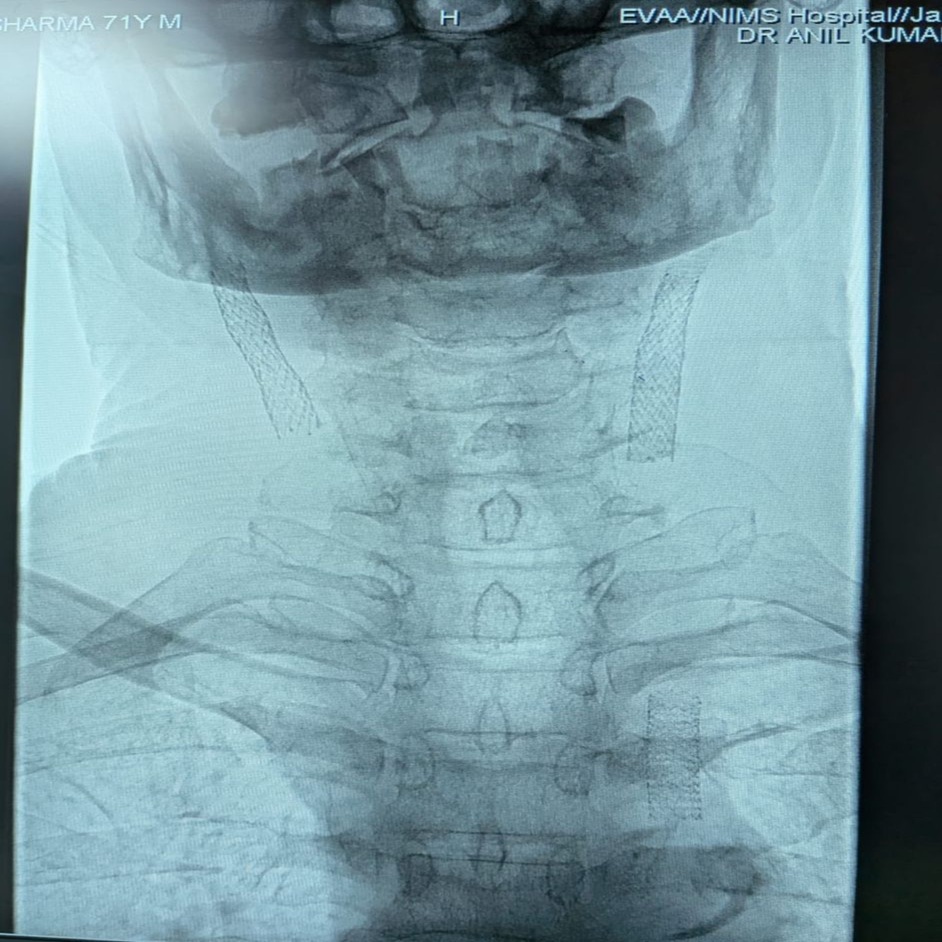
Stroke is a serious medical condition that occurs when the blood supply to the brain is interrupted, leading to damage of brain cells. One of the major causes of stroke is the narrowing or blockage of the carotid arteries, which supply blood to the brain. Carotid stenting is an advanced, minimally invasive procedure used to treat such blockages and reduce the risk of stroke.
What is a Stroke?
A stroke happens when blood flow to a part of the brain is reduced or completely blocked. This deprives brain tissue of oxygen and nutrients, causing brain cells to die within minutes. Stroke is a medical emergency and requires immediate attention.
- Ischemic Stroke – Caused by blockage in an artery (most common)
- Hemorrhagic Stroke – Caused by bleeding in the brain
What are Carotid Arteries?
Carotid arteries are major blood vessels located on each side of the neck that supply oxygen-rich blood to the brain. When these arteries become narrowed due to plaque buildup (atherosclerosis), the risk of stroke increases significantly.
What is Carotid Stenting?
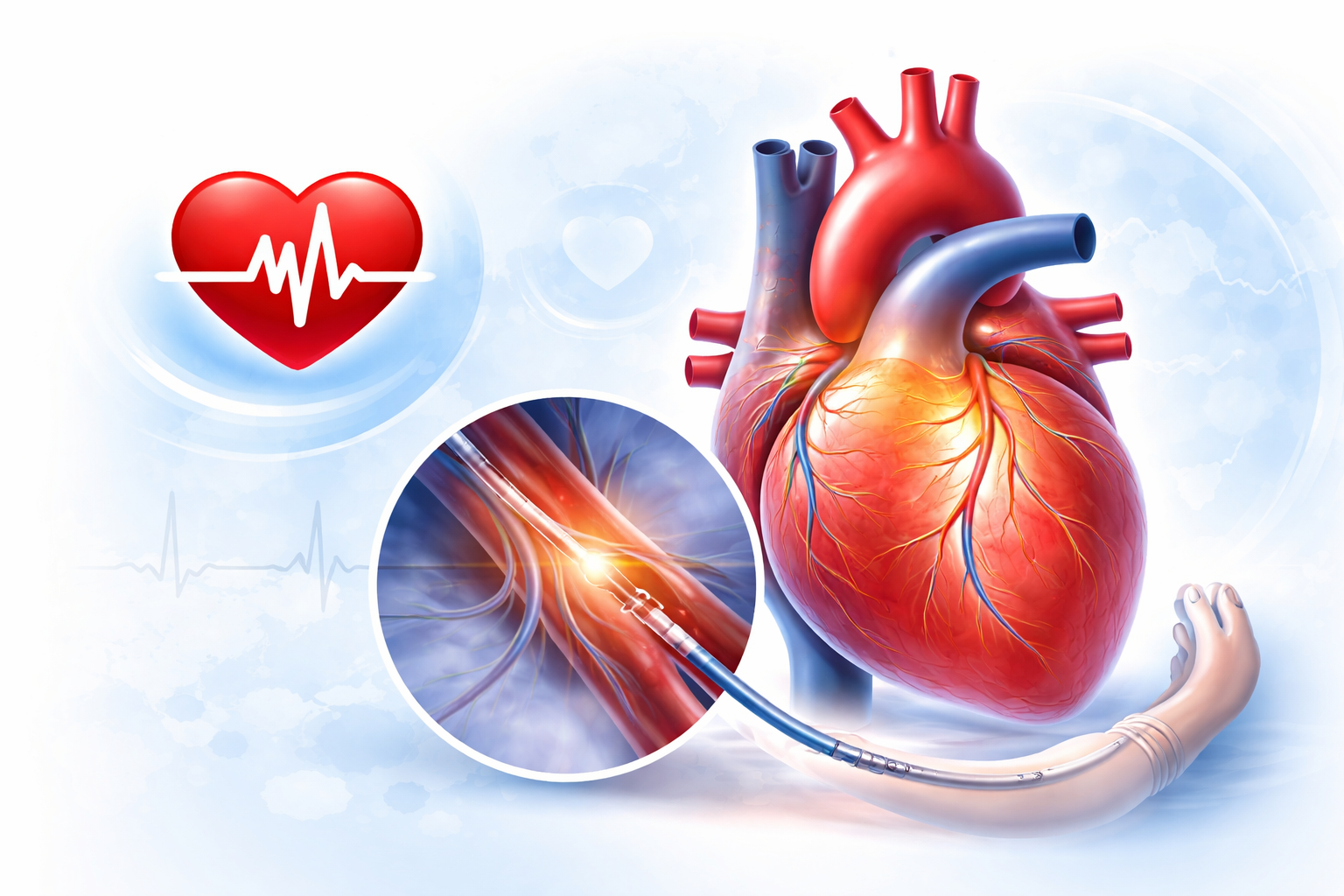
Carotid artery stenting is a minimally invasive procedure used to open narrowed carotid arteries and restore proper blood flow to the brain. A small mesh tube called a stent is placed inside the artery to keep it open and prevent future blockages.
Why is Carotid Stenting Needed?
Doctors may recommend carotid stenting for patients who have:
- Significant narrowing of carotid arteries
- History of stroke or transient ischemic attack (TIA)
- High risk for open surgery
- Symptoms like dizziness, weakness, or vision problems
How the Procedure is Performed
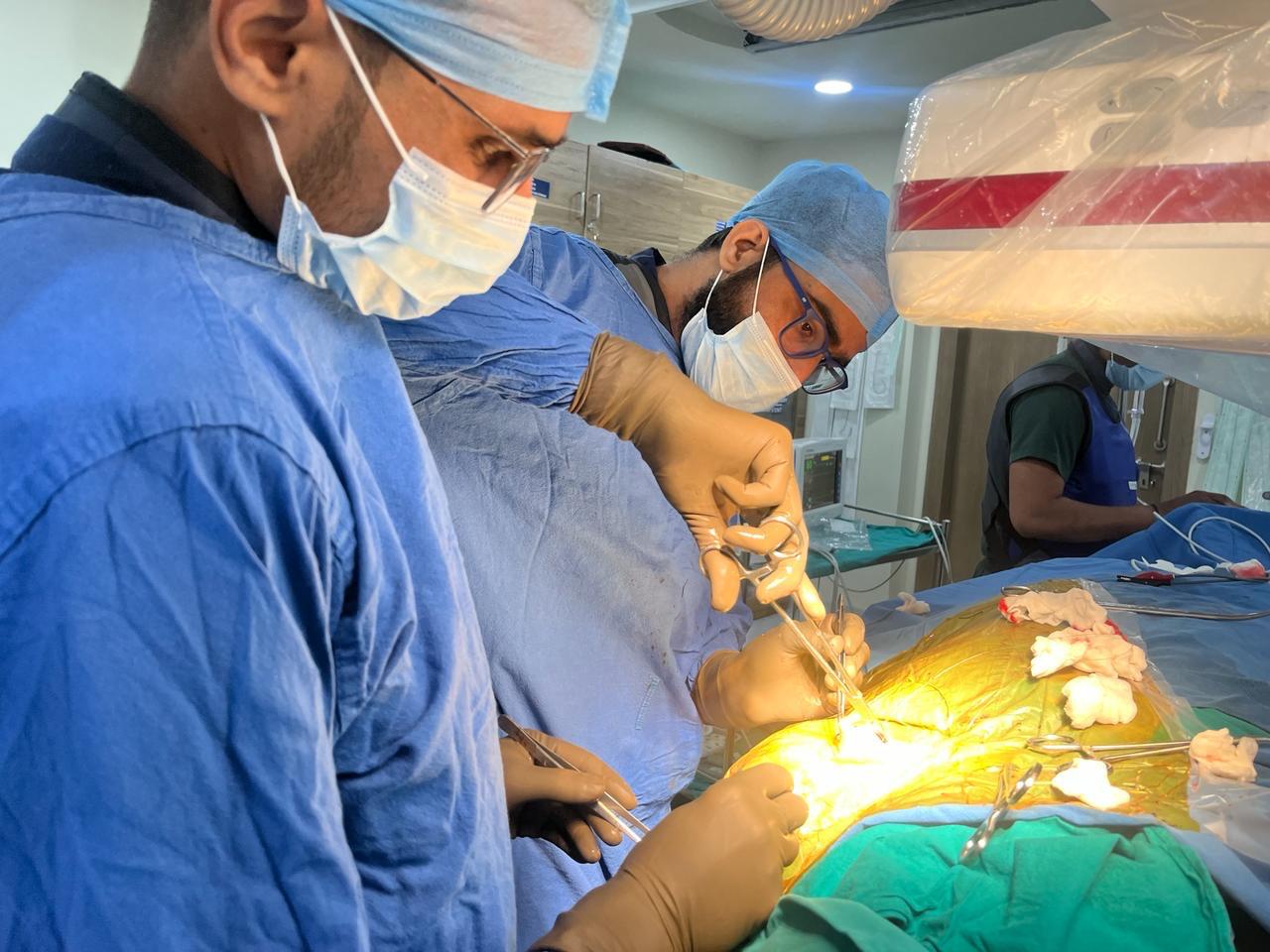
The procedure is usually performed under local anesthesia and does not require major surgery.
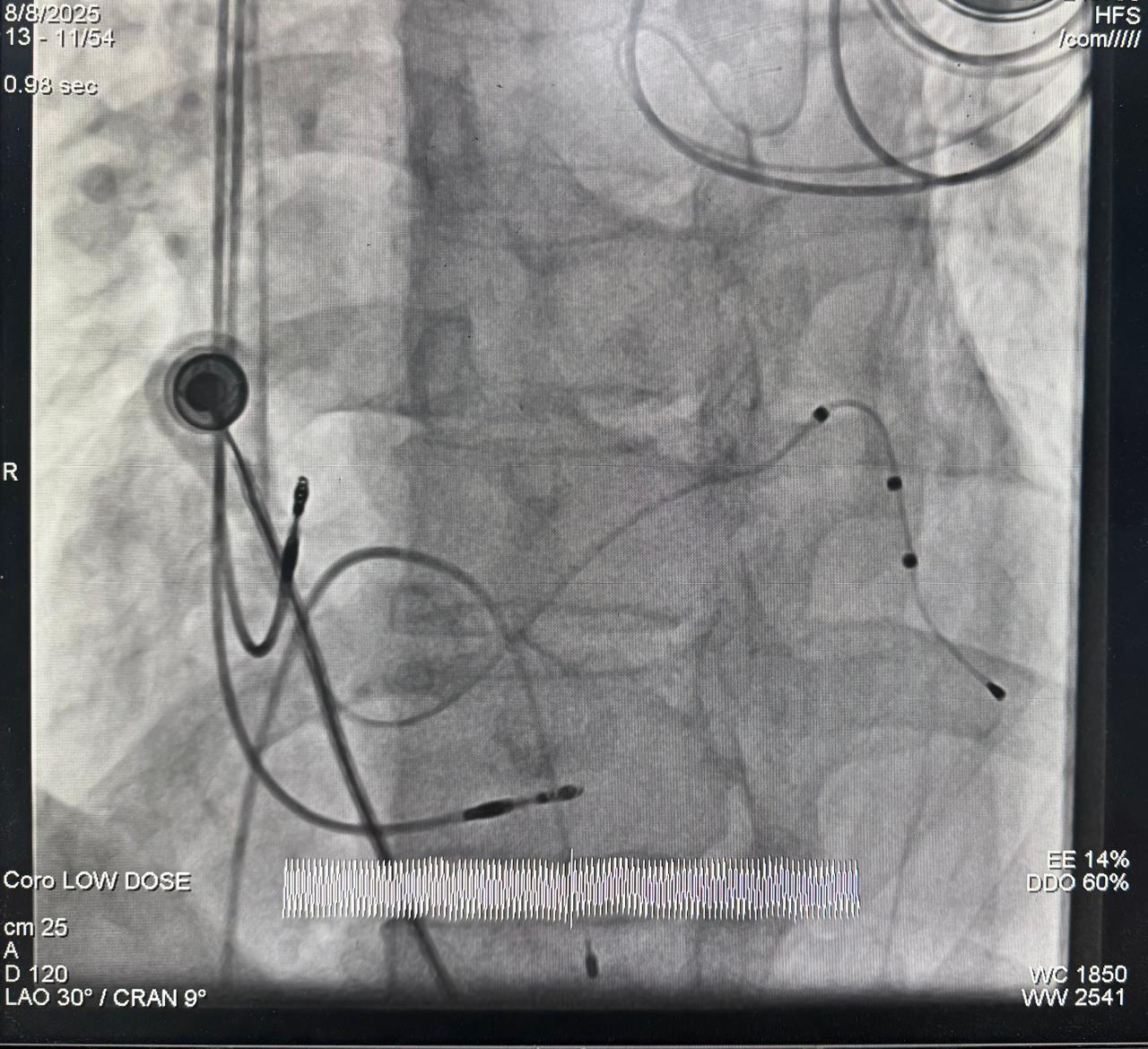
- A catheter is inserted through the groin or wrist
- A small balloon may be used to widen the artery
- A stent is placed to keep the artery open
- Blood flow to the brain is restored
Benefits of Carotid Stenting
- Reduces risk of stroke
- Minimally invasive with faster recovery
- Improves blood flow to the brain
- Suitable for high-risk surgical patients
Recovery and Aftercare
Recovery is usually quick, and most patients can return home within a day or two. Proper care is important to prevent future complications.
- Take prescribed medications regularly
- Maintain healthy blood pressure and cholesterol levels
- Follow a balanced diet
- Quit smoking and avoid alcohol
- Regular follow-up with your doctor
Risks and Complications
Although carotid stenting is generally safe, some risks may include:
- Bleeding at the catheter insertion site
- Stroke during or after the procedure (rare)
- Allergic reaction to contrast dye
- Re-narrowing of the artery over time
When to Consult a Doctor?
Seek immediate medical help if you experience:
- Sudden weakness or numbness on one side of the body
- Difficulty speaking or understanding speech
- Sudden vision problems
- Severe headache or dizziness
About Dr. Anil Choudhary
Dr. Anil Choudhary is an experienced specialist in cardiovascular and interventional procedures, including carotid artery stenting. He is dedicated to providing advanced, patient-centered care for stroke prevention and treatment. With a focus on minimally invasive techniques and accurate diagnosis, he ensures the best possible outcomes for his patients.
Early diagnosis and timely treatment of carotid artery disease can significantly reduce the risk of stroke. With modern procedures like carotid stenting, patients can recover quickly and lead a healthier life.