Introduction
Heart rhythm disorders, also known as arrhythmias, can affect the heart’s ability to pump blood efficiently. Modern cardiology has introduced an innovative solution called the Leadless Pacemaker, offering safer and minimally invasive treatment for patients with abnormal heart rhythms.
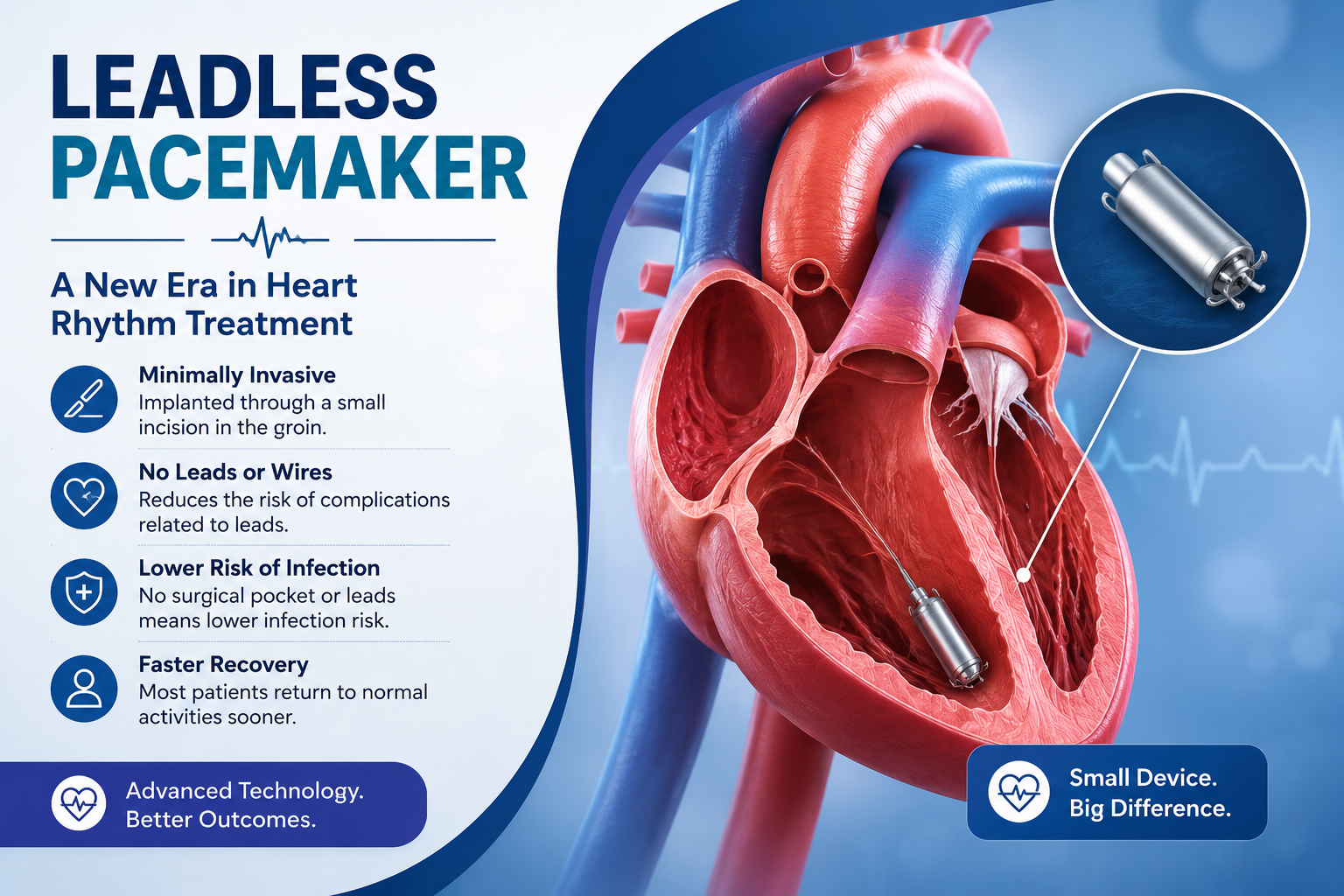
Unlike traditional pacemakers, leadless pacemakers are implanted directly inside the heart without the need for wires or a surgical chest pocket.
What is a Leadless Pacemaker?
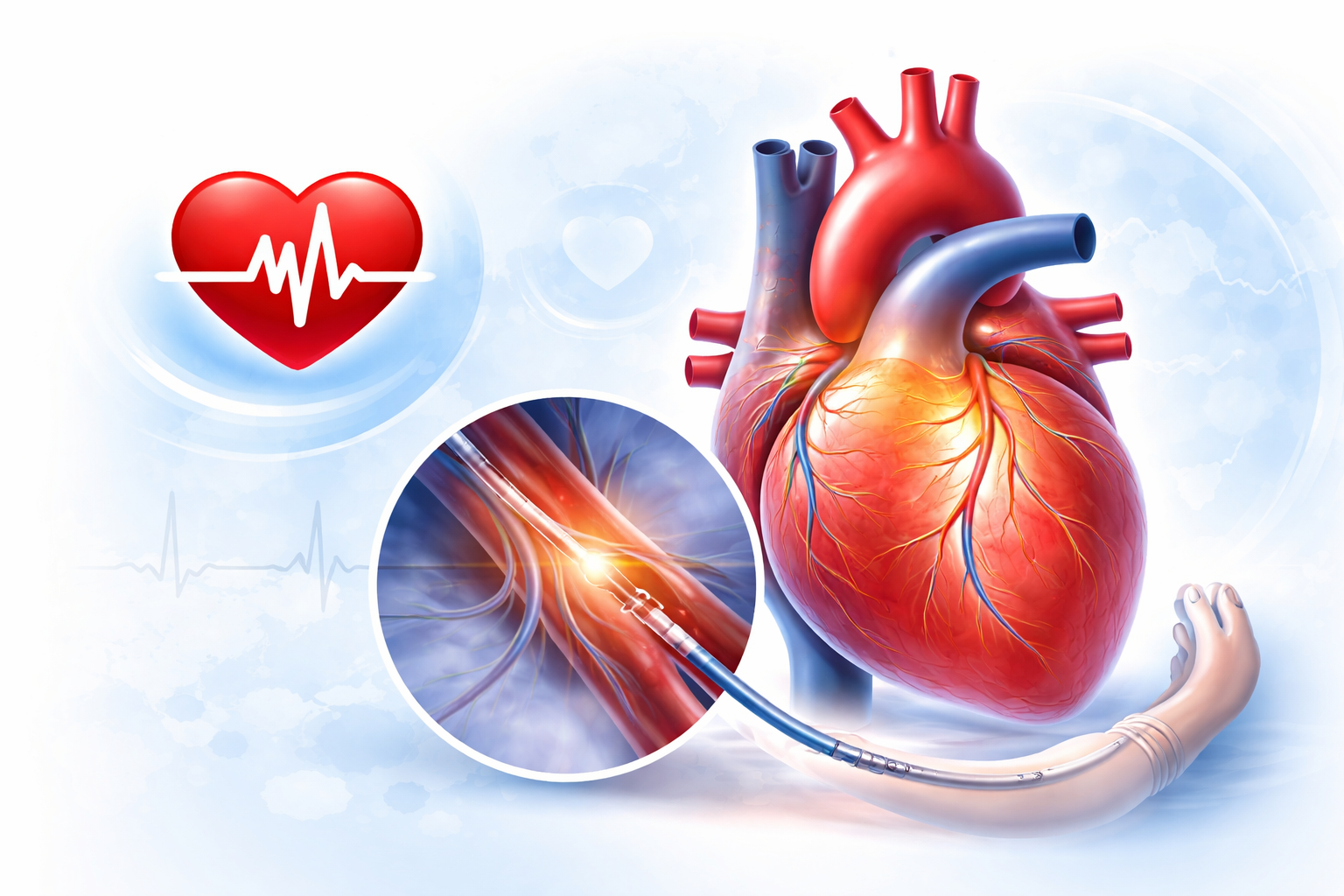
A leadless pacemaker is a small self-contained cardiac device designed to regulate slow or irregular heartbeats. The device is implanted inside the heart using a catheter-based procedure through a vein in the groin.
It is nearly one-tenth the size of conventional pacemakers and does not require external leads, making the procedure safer and more comfortable for patients.
Why is a Pacemaker Needed?
Pacemakers are recommended for patients suffering from:
- Bradycardia (slow heart rate)
- Heart block
- Irregular heart rhythm
- Fainting episodes related to rhythm problems
- Certain heart failure conditions
Advantages of Leadless Pacemakers
- No surgical chest incision
- No visible scar or bulge
- Lower risk of infection
- No lead-related complications
- Faster recovery and shorter hospital stay
- Minimally invasive procedure
How is the Procedure Performed?
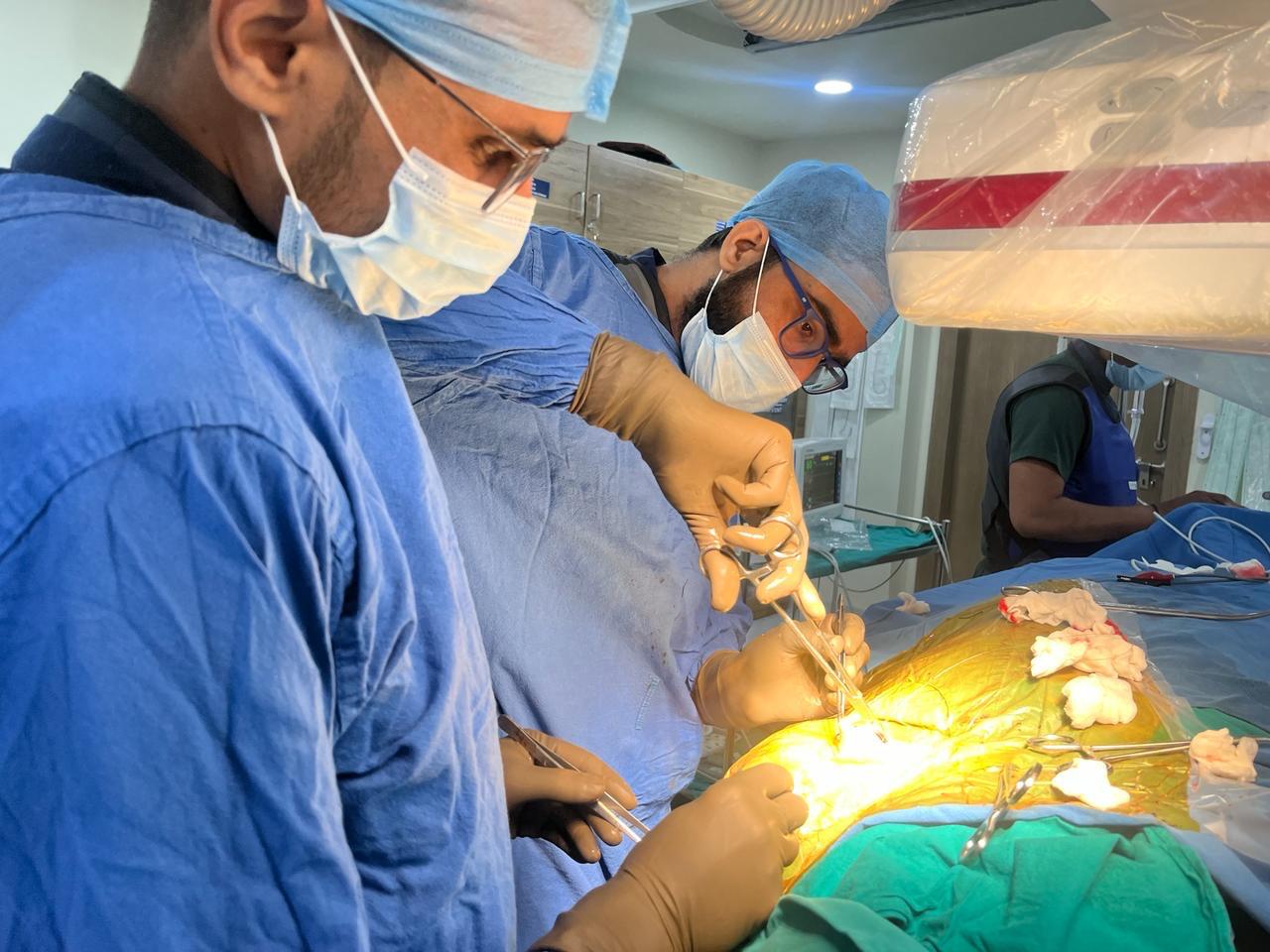
The procedure is performed under local anesthesia. A catheter is inserted through a vein in the groin and guided into the heart using advanced imaging technology.
Once positioned correctly, the leadless pacemaker is attached securely to the heart muscle. The entire procedure generally takes less than one hour.
Who Can Benefit from a Leadless Pacemaker?
Leadless pacemakers are especially beneficial for:
- Elderly patients
- Patients at higher risk of infection
- Patients with damaged veins
- Individuals requiring single-chamber pacing
Recovery After Implantation
Recovery after leadless pacemaker implantation is usually quick. Most patients are discharged within 24 hours and can return to normal activities shortly after the procedure.
Conclusion
Leadless pacemakers represent a major advancement in modern cardiac care. With fewer complications, faster recovery, and minimally invasive implantation, they provide an effective solution for patients suffering from heart rhythm disorders.
Early diagnosis and expert cardiac consultation can help patients receive the most appropriate treatment and improve long-term heart health.