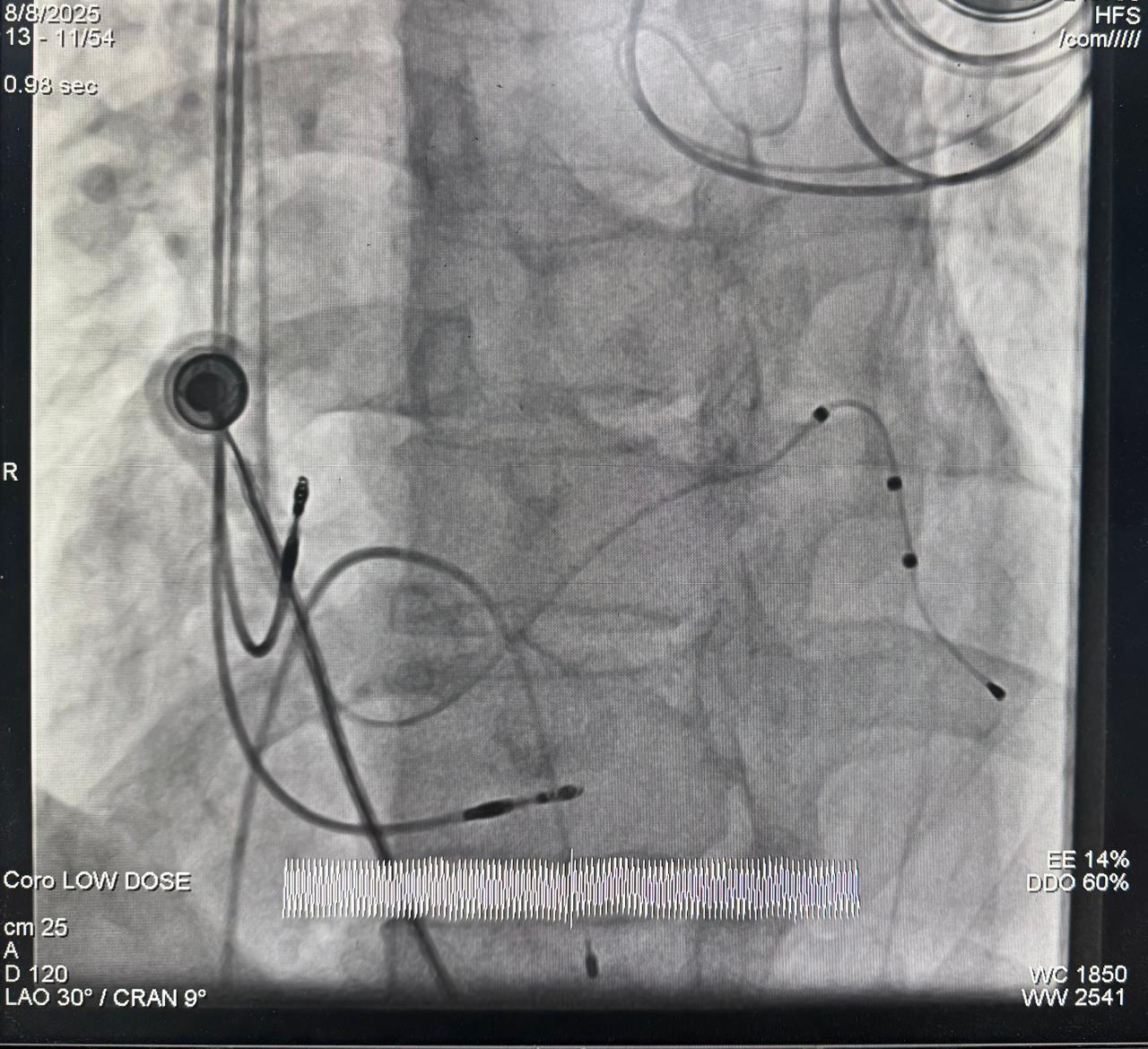
Heart failure is a serious condition in which the heart is unable to pump blood efficiently to meet the body’s needs. It can develop due to coronary artery disease, high blood pressure, diabetes, valve disease, or previous heart attacks. With recent advances in medical science, treatment options for heart failure have improved greatly, helping patients live longer and healthier lives.
What is Heart Failure?
Heart failure does not mean the heart has stopped working. It means the heart muscle has become weak or stiff and cannot pump blood properly. This can lead to reduced oxygen supply to the body and fluid buildup in the lungs and legs.
- Left-sided Heart Failure – Affects the heart’s ability to pump blood to the body
- Right-sided Heart Failure – Causes fluid buildup in the abdomen and legs
- Congestive Heart Failure – Occurs when fluid accumulates in different body parts
Common Symptoms of Heart Failure
Symptoms may develop gradually or suddenly depending on the severity of the condition.
- Shortness of breath
- Fatigue and weakness
- Swelling in legs, ankles, or abdomen
- Rapid or irregular heartbeat
- Persistent cough or wheezing
- Difficulty performing daily activities
Recent Advances in Heart Failure Treatment
Modern cardiology has introduced several advanced treatment options that significantly improve survival and quality of life for heart failure patients.
SGLT2 Inhibitor Medications
New-generation medicines such as dapagliflozin and empagliflozin have shown excellent results in heart failure treatment. These medications help reduce hospital admissions, improve heart function, and lower the risk of complications, even in non-diabetic patients.
Guideline-Directed Medical Therapy (GDMT)
Doctors now use a combination of medications known as Guideline-Directed Medical Therapy for better heart failure management.
- Beta blockers
- ACE inhibitors or ARNI medications
- Mineralocorticoid receptor antagonists (MRAs)
- SGLT2 inhibitors
Advanced Device-Based Therapies
Certain patients may benefit from advanced cardiac devices that improve the heart’s pumping efficiency.
- Cardiac Resynchronization Therapy (CRT) – Helps coordinate heartbeats
- Implantable Cardioverter Defibrillator (ICD) – Prevents dangerous heart rhythms
- Cardiac Contractility Modulation (CCM) – Improves heart muscle contraction
Minimally Invasive Procedures
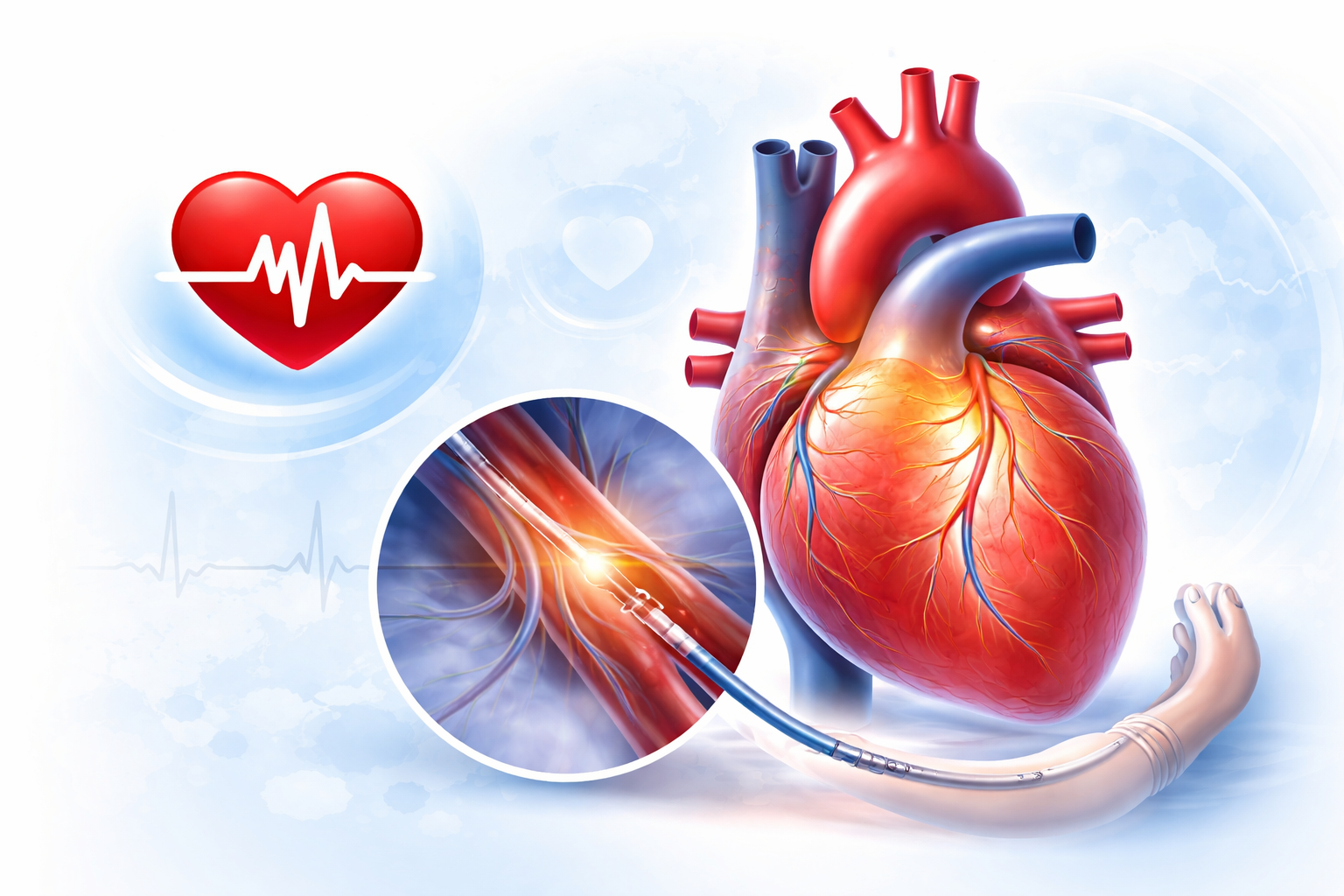
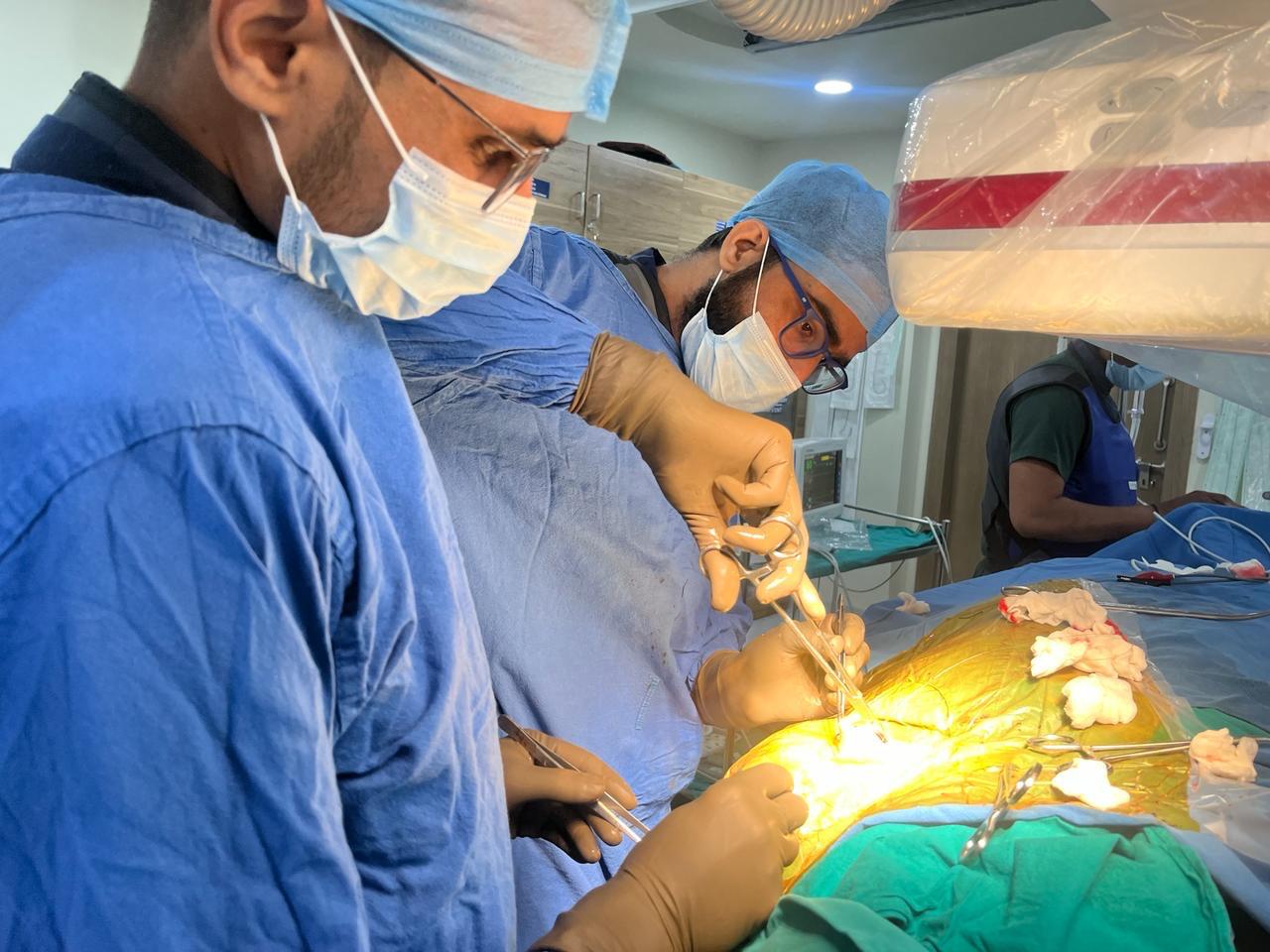
Modern minimally invasive procedures are now available for patients with valve disease and advanced heart failure.
- Transcatheter Aortic Valve Implantation (TAVI)
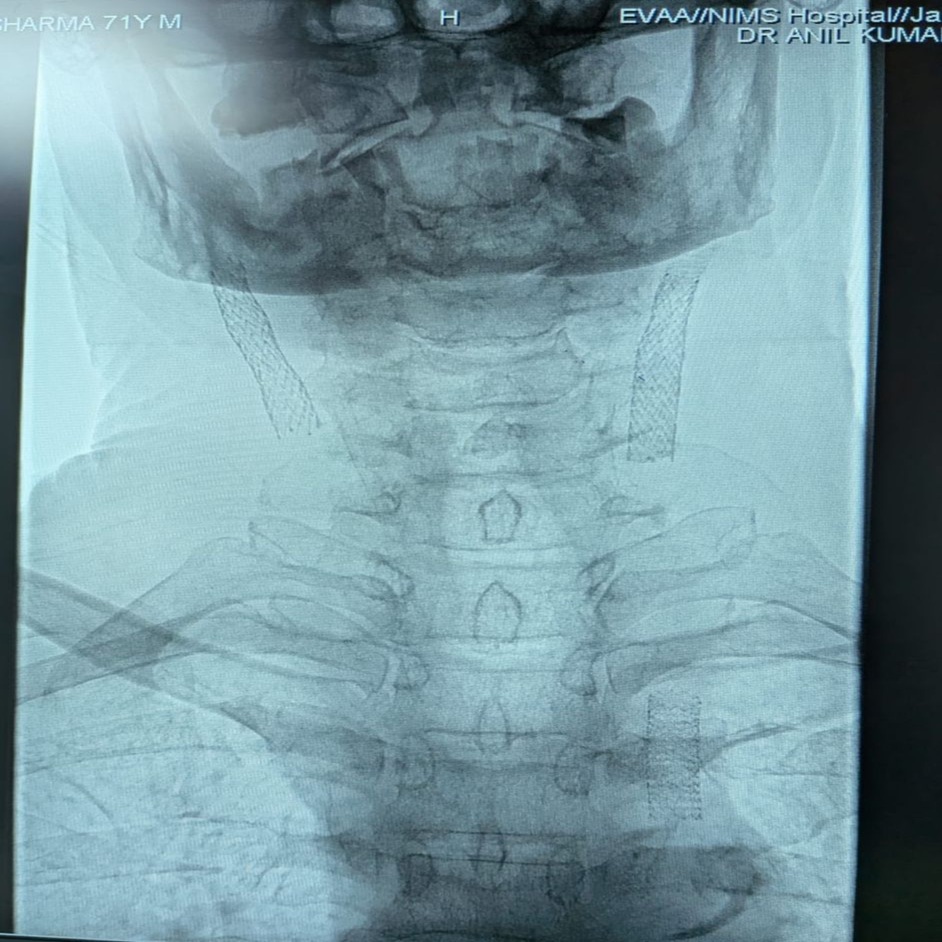
- Angioplasty and stenting for blocked arteries
- Catheter-based structural heart interventions
Left Ventricular Assist Devices (LVADs)
In severe heart failure cases, LVADs can help the weakened heart pump blood effectively. These mechanical devices are often used as a bridge to heart transplantation or as long-term support therapy.
Lifestyle Changes for Heart Failure Patients
Along with medical treatment, lifestyle modifications are essential for controlling symptoms and preventing complications.
- Follow a low-salt diet
- Maintain healthy blood pressure and diabetes control
- Exercise regularly as advised by your doctor
- Avoid smoking and alcohol
- Monitor weight regularly
- Take medications on time
Benefits of Modern Heart Failure Treatments
- Improved heart function
- Reduced hospitalization risk
- Better quality of life
- Longer survival rates
- Faster recovery with minimally invasive procedures
When Should You Consult a Cardiologist?
Seek immediate medical attention if you experience:
- Persistent shortness of breath
- Swelling in feet or abdomen
- Chest discomfort
- Sudden weight gain due to fluid retention
- Extreme fatigue or dizziness
- Irregular heartbeat
About Dr. Anil Choudhary
Dr. Anil Choudhary is an experienced cardiology specialist dedicated to providing advanced and patient-focused heart care. He specializes in the diagnosis and treatment of heart failure, coronary artery disease, angioplasty, stenting, and minimally invasive cardiac procedures. His approach combines modern technology with personalized treatment plans to ensure the best outcomes for patients.
Early diagnosis and timely treatment of heart failure can significantly improve quality of life and reduce complications. With modern treatment options and expert cardiac care, patients can manage heart failure effectively and lead healthier lives.